
About the Initiative
A Behavioural Safety Initiative to Strengthen Workplace Safety Culture
Live for Lorcan is a behavioural safety initiative designed to strengthen workplace safety culture by connecting safety practices to personal emotion and shared responsibility.
Inspired by the story of Lorcan Deasy, who tragically lost his life in a workplace accident, the initiative uses education, storytelling and visual reminders to create lasting behavioural change.
Through Lorcan’s mother, Marian Deasy, this initiative brings a human focus to safety, reminding everyone that it is not just about procedures but about protecting ourselves, our colleagues and our families so that everyone returns home safely every day.
What is the goal of the initiative?
The ultimate goal is to reduce workplace accidents, the vast majority of which involve outdoor staff working in high-risk environments. While Electric Skyline already has comprehensive Health and Safety procedures in place that are designed to eliminate accidents when followed correctly, incidents (while rare) continue to occur. In theory, strict adherence to these procedures should prevent all accidents, aside from those caused by external factors beyond employees’ control, such as incidents involving members of the public.
Despite these measures, accidents are still happening. Why? Understanding the behavioural reasons behind non-compliance or procedural deviations is key to addressing this issue and driving meaningful change in workplace safety.
There are several psychological and behavioural reasons why employees may not follow correct working procedures despite being trained. Here are some key factors:
1. Habit and Routine
Employees often revert to old habits, especially if the new process feels unnatural or if they have done things differently for a long time. Breaking existing habits requires continuous reinforcement.
2. Perceived Efficiency
3. Lack of Immediate Consequences
If failing to follow procedures does not lead to immediate negative consequences (e.g., safety incidents, disciplinary action), employees may not feel compelled to comply.
4. Social and Peer Influence
People tend to follow what their peers do. If the majority of the team ignores certain procedures, new employees are likely to adopt the same behaviours to fit in.
5. Lack of Understanding or Clarity
Even after training, employees may not fully grasp why a procedure is necessary, especially if they don’t see its direct benefits. If instructions are unclear or inconsistent, they may improvise.
6. Workload and Time Pressure
High workloads or unrealistic deadlines can push employees to cut corners to keep up with demands, even if it means not following the correct procedures.
7. Poor Leadership or Enforcement
If supervisors do not consistently enforce procedures or if management overlooks unnatural or if they have done things differently for a long time. Breaking existing habits
8. Lack of Engagement or Motivation
Employees who are disengaged or feel undervalued may have little motivation to strictly follow procedures. A lack of incentives can contribute to this as well.
9. Overconfidence and Complacency
Employees often revert to old habits, especially if the new process feels unnatural or if they have done things differently for a long time. Breaking existing habits
10. Cognitive Overload
If employees are overloaded with information or multitasking excessively, they may unintentionally skip steps or forget procedures, especially if they are complex.
The Approach
Following this research, the next step was to develop a strategy to counteract natural human behaviours that contribute to workplace accidents. As accidents can occur in a split second, it was essential to create an approach that would deliver an immediate impact, preventing individuals from making unsafe decisions that could lead to injury.
This led to an in-depth exploration of what can influence human behaviour in an instant. Research revealed that emotional impact plays a significant role in shaping how people think, react, and make decisions. Emotions have the power to override logic, alter motivation, and even create lasting behavioural change, making them a crucial factor in improving workplace safety.
With the theory in place, the next challenge was to determine how to create a scenario where an emotional impact could occur at the pivotal moment before a potential accident, and how to embed this approach across the entire workforce. It was at this stage that the focus turned to Marian Deasy.
On 7th June 2024, during Electric Skyline’s Company Day in Limerick, Marian Deasy addressed the entire workforce. She shared the story of her son, Lorcan Deasy, who tragically lost his life in a workplace accident. With remarkable strength, she spoke about
Lorcan’s life, his passions, his loved ones, and all the experiences he would never get to have.
Beyond this, Marian offered a deeply personal insight into the devastating impact of his premature death, describing how it had affected her as a mother. A particularly poignant moment came when she stated that it had “destroyed her as a person”. The atmosphere in the room shifted instantly, the emotional impact was both immediate and profound.
What made this perspective so powerful was its focus on the loved ones left behind. Workplace safety discussions often centre around the injured individual, but this offered a different and deeply moving viewpoint, that of a grieving mother. But why did this resonate so strongly?
The ‘Illusion of Control’ is when people overestimate their ability to prevent bad things from happening, believing that if they are careful or smart enough, they can avoid problems. This bias is more common in men.
Even when men are made aware of accidents happening to others in similar roles, their instinct is to believe, “That won’t happen to me.” However, what can be more persuasive than the risk to themselves is the emotional impact on a loved one, such as a mother. The thought of her experiencing deep distress due to an accident can carry more weight than the danger to the individual themselves.
Implementing The Research
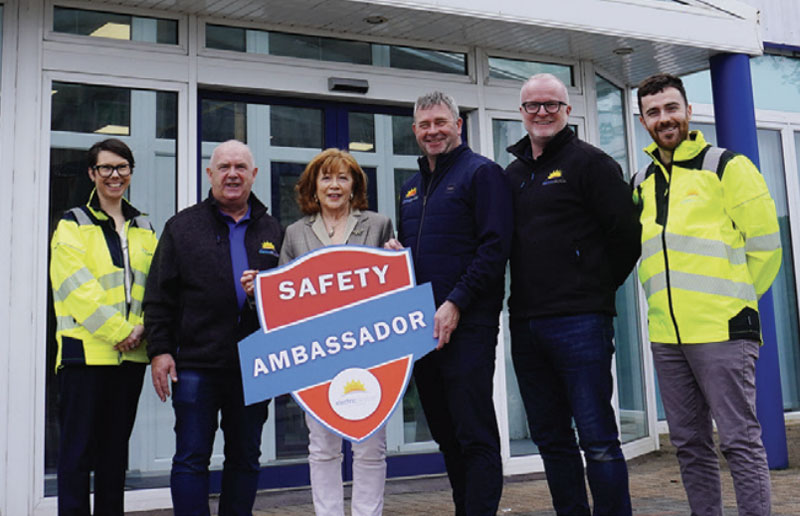
Step 1. The appointment of Marian Deasy as Electric Skyline Safety Ambassador
The role of a Safety Ambassador serves as a figurehead position providing Electric Skyline with a mechanism to integrate Marian and Lorcan Deasy’s story into the company’s culture. This, in turn, helps strengthen the organisation’s commitment to safety and creates a positive impact on the overall safety culture within the company.
Step 2. Educate
Education must come before integration. It is essential that all employees hear Marian’s story and understand how even the smallest actions can lead to devastating consequences.
To achieve this, Marian’s story will be captured in video format and incorporated into the employee induction process. This will ensure that every new team member experiences the emotional impact from the outset, reinforcing Electric Skyline’s deep commitment to health and safety.
In addition, Marian’s story will continue to delivered through Toolbox Talks, keeping her message alive within the organisation. While the initial emotional impact is powerful, the ongoing challenge will be to ensure that its influence endures over time and becomes part of the company’s long-term culture.
Step 3. Create Emotional Triggers
The goal is to create a powerful visual touchpoint that sparks an emotional response, instantly reminding individuals of Marian’s story. This emotional connection will drive an immediate shift in behaviour, reinforcing a culture of safety. This will be in the form of a logo.
Step 4. Live for Lorcan: Creating Meaningful Touchpoints
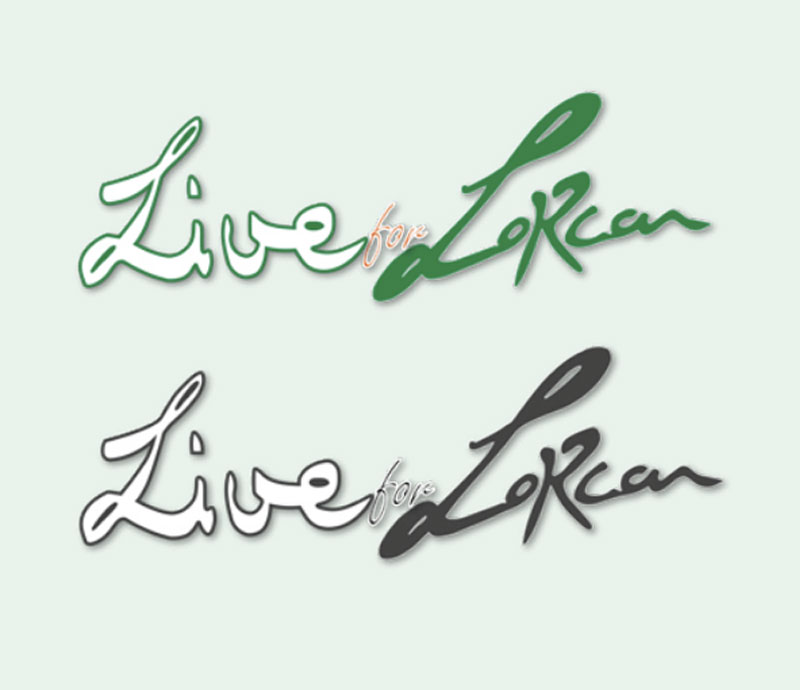
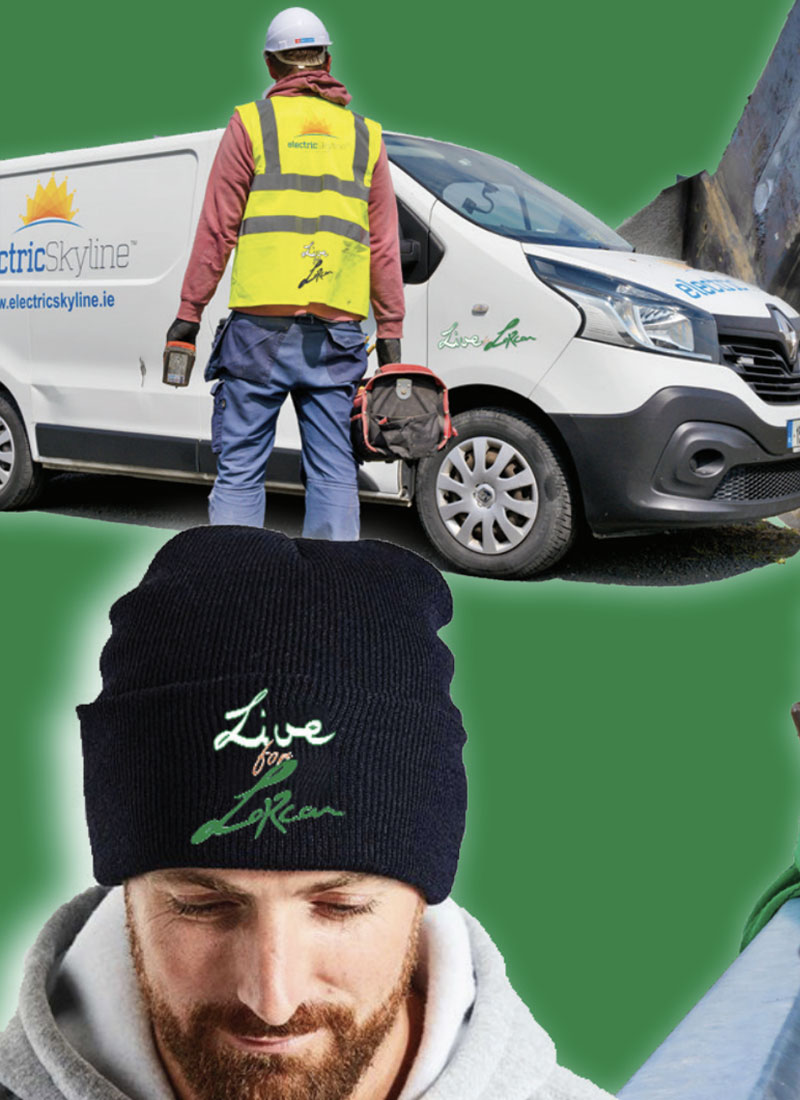
The Live for Lorcan initiative is anchored off the logo, a symbol that embodies both personal loss and the company’s collective commitment to safety. It represents far more than a design; it is a constant visual reminder of why safety matters and the real consequences when it is overlooked.
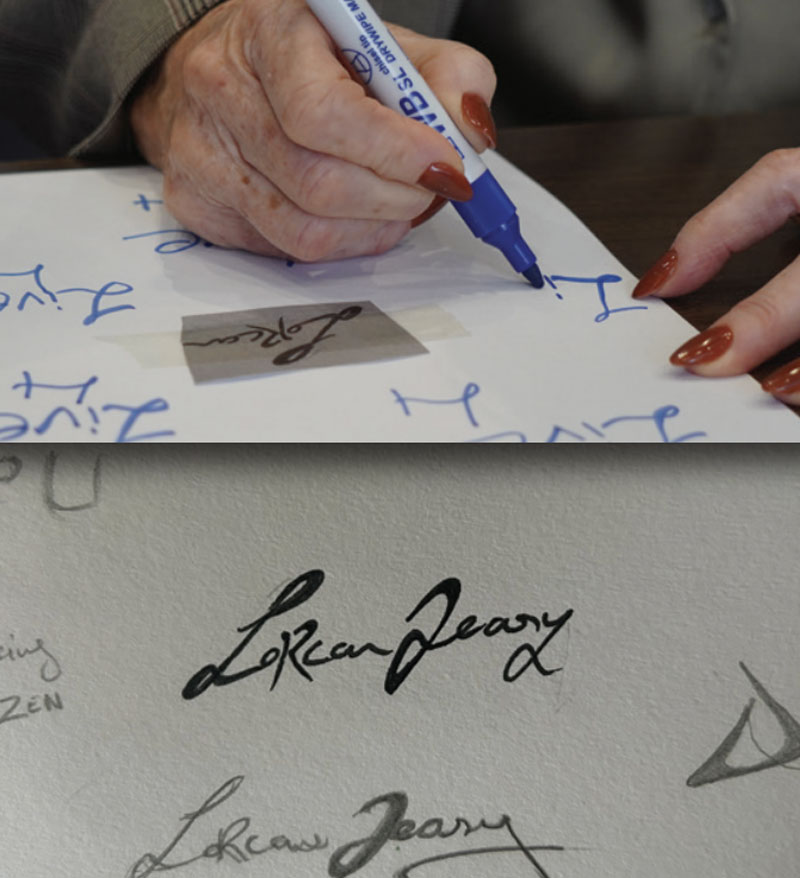
The logo itself was created to be deeply personal. The words ‘Live for’ were handwritten by Marian, while ‘Lorcan’ is written in Lorcan’s own handwriting. This makes the logo a true reflection of their shared story and ensures that when employees wear or see it, they are carrying that story with them. It transforms safety from a rule into a shared responsibility, anchored in empathy and remembrance.
To embed this message in everyday life, the Live for Lorcan logo will be displayed across the organisation to maintain continuous visibility and awareness. Planned placements include:
- Workwear and other apparel
- Signage on company vans and buildings
- Air fresheners
- Stationery
- Digital platforms and online channels
The organisation will continue to explore new opportunities to integrate the logo into daily operations, maximising its reach and impact on Electric Skyline’s safety culture.
Conclusion
As with any team environment, success is far more achievable when everyone is genuinely invested in the process. This initiative provides a clear and tangible way to bring Electric Skyline’s commitment to health and safety to life. It is something that can be understood, embraced, and truly believed in by every member of the organisation.
The Live for Lorcan initiative serves as more than a message or a reminder. It is a practical tool that employees and leaders alike can use to strengthen their safety mindset. Whether it is through the logo seen each day or Marian’s story shared in training, every element has been designed to keep safety personal, visible, and meaningful.
By fostering a shared sense of purpose, this initiative reinforces the ultimate goal: ensuring that every employee returns home safely at the end of each day.
Importantly, Live for Lorcan has been designed to be adopted universally by companies across the construction industry and further afield. Its message and approach are not limited to one organisation, but can be embraced by any company that values the wellbeing of its people. The hope is that it will grow into a movement that inspires others to take a more personal, human-centred approach to safety, one that connects hearts as well as minds.
In doing so, the legacy of Lorcan and Marian’s message will continue to protect lives, influence culture, and shape safer workplaces across Ireland and beyond.
Download our Media Pack
This media pack provides practical resources to help organisations introduce the Live for Lorcan initiative and support safety conversations in the workplace.